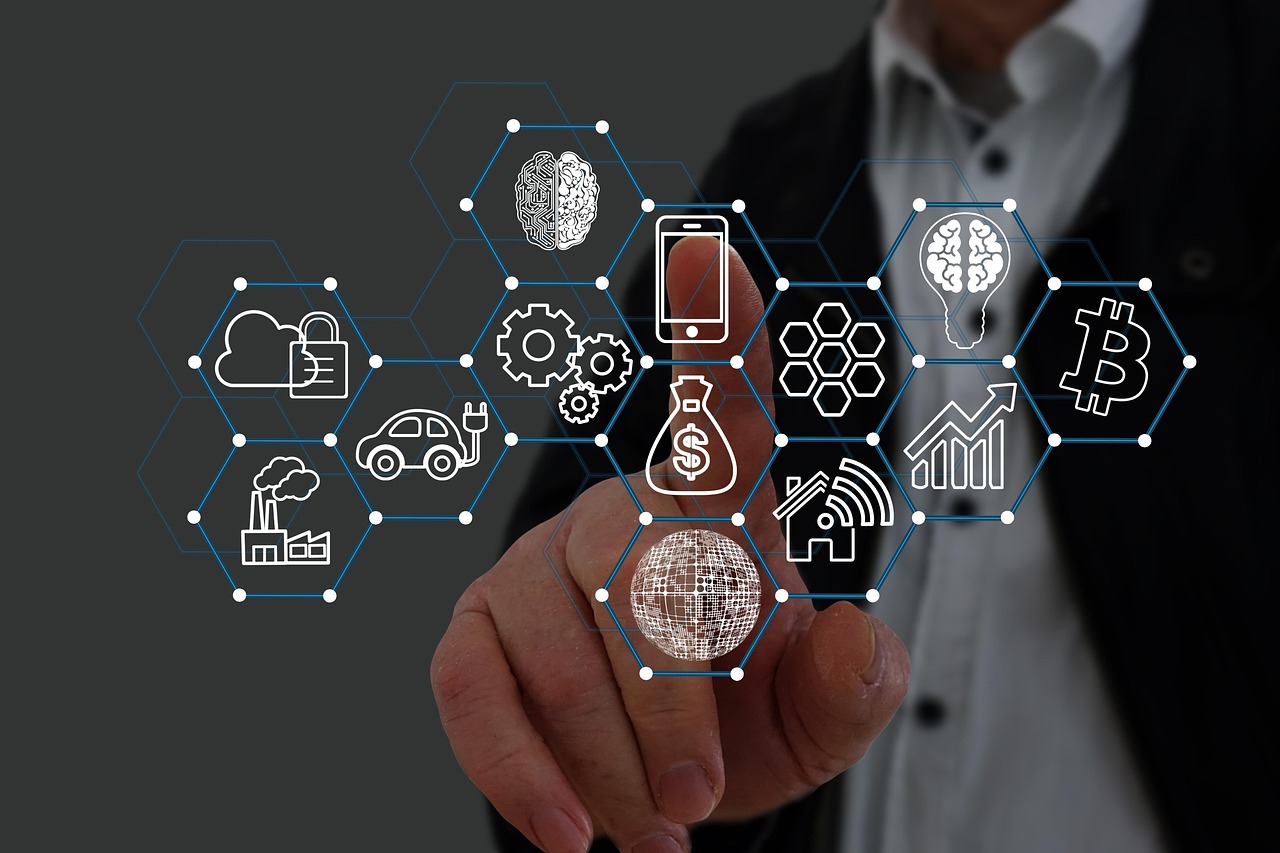



In recent years, smart building technologies have gradually changed the way we live and work. By utilizing advanced sensors, automation systems, and data analytics tools, smart buildings are optimizing energy use, improving occupant comfort, and reducing operating costs.
What is Smart Building Technology?
Smart building technology is the integration of various Internet of Things (IoT) devices and software. These systems automate, monitor, and control building operations with the aim of optimizing energy consumption, reducing operating costs, and improving occupant comfort and safety. These systems often use advanced sensors, actuators, and communication networks to collect and analyze data.
- Common Aspects of Smart Buildings
- Energy Management Systems
- Lighting Control Systems
- HVAC Control Systems (Heating, Ventilation, and Air Conditioning)
- Security and Access Control Systems
- Fire and Life Safety Systems
- Building Automation and Control Systems (BACS)
What is Smart Building Technology?
Energy Efficiency and Sustainability
One of the most important impacts of smart building technology is its role in reducing energy consumption and promoting sustainability. By monitoring and controlling various facets of a building's energy use, smart buildings can reduce energy consumption and lower utility costs. Key features include:
- Lighting Control: Smart buildings use sensors to detect occupancy and natural light levels, adjusting lighting accordingly to reduce energy consumption.
- HVAC Control: Smart buildings use data analytics to optimize heating, ventilation, and air conditioning (HVAC) systems by adjusting temperature and airflow based on occupancy and weather conditions.
- Renewable Energy Integration: Smart buildings often use renewable energy sources, such as solar panels or wind turbines, to further reduce energy consumption and costs.
Enhanced Security
Smart building technology also plays a critical role in enhancing safety and security, resulting in a safer living and working environment. With advanced access control systems, smart buildings can restrict unauthorized access to specific areas, while surveillance cameras and smart sensors can monitor and detect suspicious activity or potential hazards. In the event of an emergency, such as a fire, smart buildings can automatically activate alarms and initiate evacuation procedures, potentially saving lives.
Enhanced Comfort and Wellness
Smart building technology can also improve occupant comfort by creating a more personalized and intuitive experience. By using data analytics to tailor the built environment, smart buildings can create a comfortable and productive workspace. This includes:
- Personalized Temperature Control: Smart buildings can use data analytics to adjust temperature and airflow based on individual preferences, creating a custom environment for each occupant.
- Personalized Lighting: Smart buildings can use sensors to adjust lighting levels and color temperatures based on occupant preferences, thereby reducing eye strain and fatigue.
- Indoor Air Quality Monitoring: Smart buildings can monitor indoor air quality and adjust ventilation systems to maintain healthy air levels.
Operational Efficiency
The ability to monitor and control various building systems in real time allows facility managers to proactively identify problems and inefficiencies. This reduces maintenance costs, minimizes downtime, and increases operational efficiency. This includes:
- Predictive Maintenance: Smart buildings use data analytics to predict equipment failures before they occur, allowing for proactive maintenance scheduling.
- Asset Management: Smart buildings use sensors to track asset usage, optimize asset allocation, and reduce waste.
- Remote Monitoring: Smart buildings can be monitored remotely, enabling building managers to respond quickly to problems and reduce the need for site visits.
The Long-Term Impact of Smart Building Technology
- Energy Savings: Smart building technology can help reduce energy consumption by up to 30%. This is achieved by automatically controlling lighting, HVAC systems, and other energy-intensive devices.
- Comfort: By focusing on air quality, lighting, and other factors that affect occupant well-being, smart buildings create healthier living and working environments that can reduce stress and improve overall quality of life.
- Smart Cities: Smart buildings will play an integral role in the development of smart cities, which are characterized by the efficient use of resources, improved transportation systems, and enhanced public services.
- Security: Smart building technologies improve security through real-time monitoring and alerts. For example, smart cameras can monitor the exterior and interior, while smart access control systems manage who can enter the premises.
- Grid Interaction: Smart buildings will increasingly integrate renewable energy and interact with the power grid, resulting in increased flexibility and resilience to changing energy demands.
Matismart Smart Building Solutions
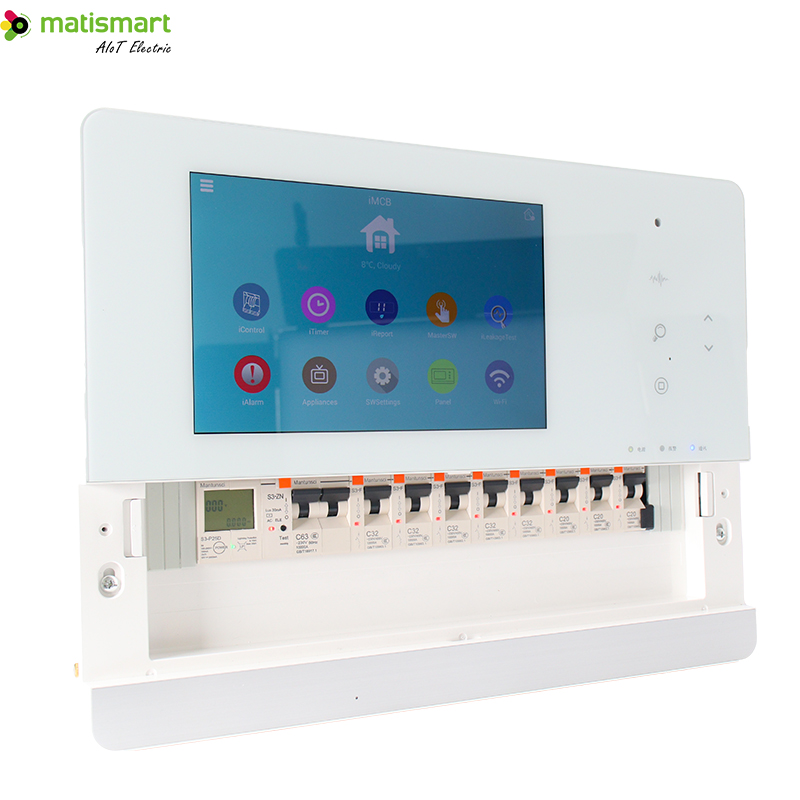
Following the development of smart technology, Matismart has developed a variety of smart devices and management platforms to provide comprehensive smart building solutions. These devices offer functions such as monitoring, remote control, and data analysis. To ensure the safety of the entire building, these smart devices also include automatic detection functions. In the event of a sudden trip, overload, or under-voltage, they will automatically detect the issue and reclose when safe to avoid unnecessary losses. For more information on our smart building solutions, you can visit our solutions page and view our product list to find the right fit for your needs.
Conclusion
Smart building technologies are changing the way we design, build, and operate structures. From improving energy efficiency and sustainability to enhancing safety, comfort, and cost savings, smart buildings are elevating the built environment. As technology continues to evolve, we can expect an even more significant impact, creating a more sustainable and efficient future for all.