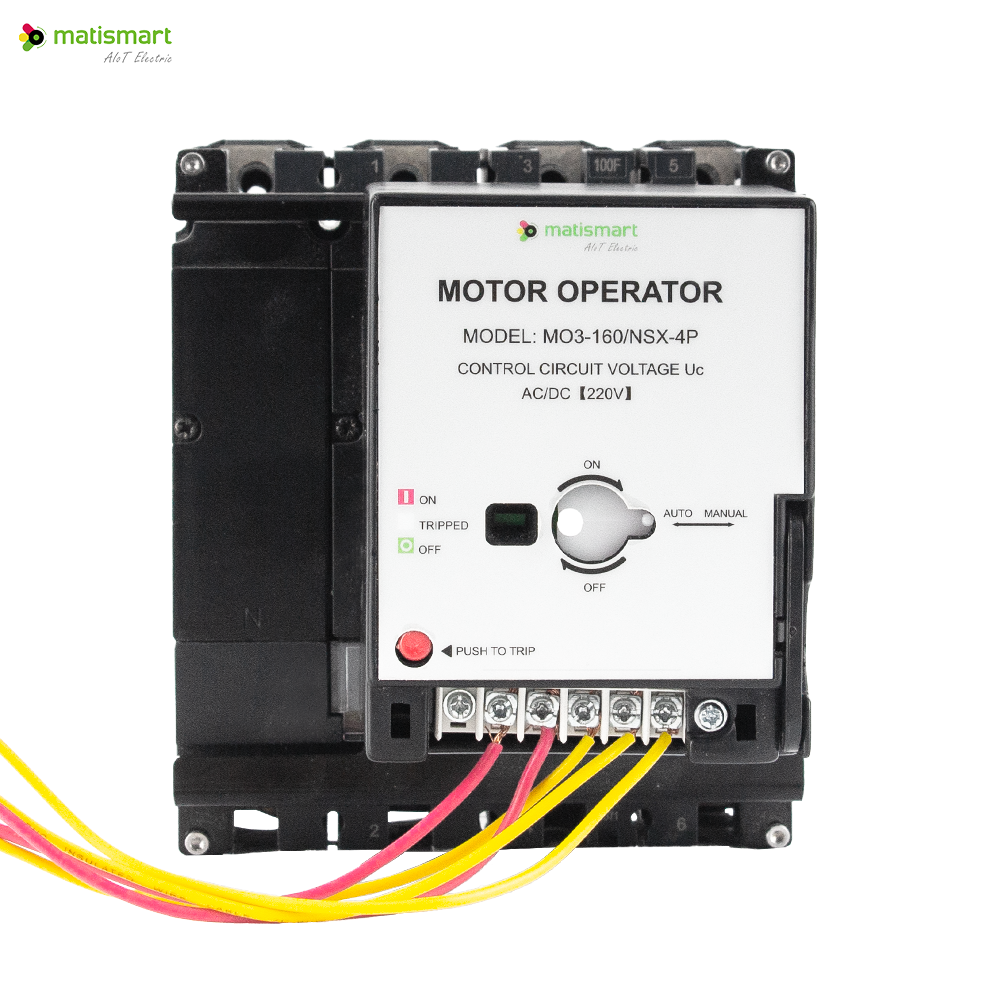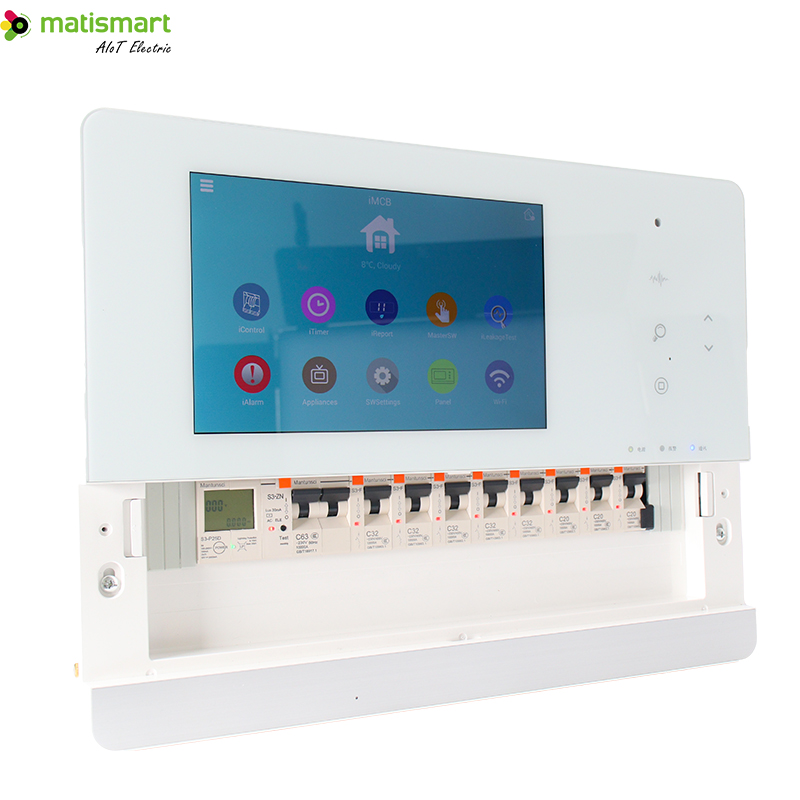



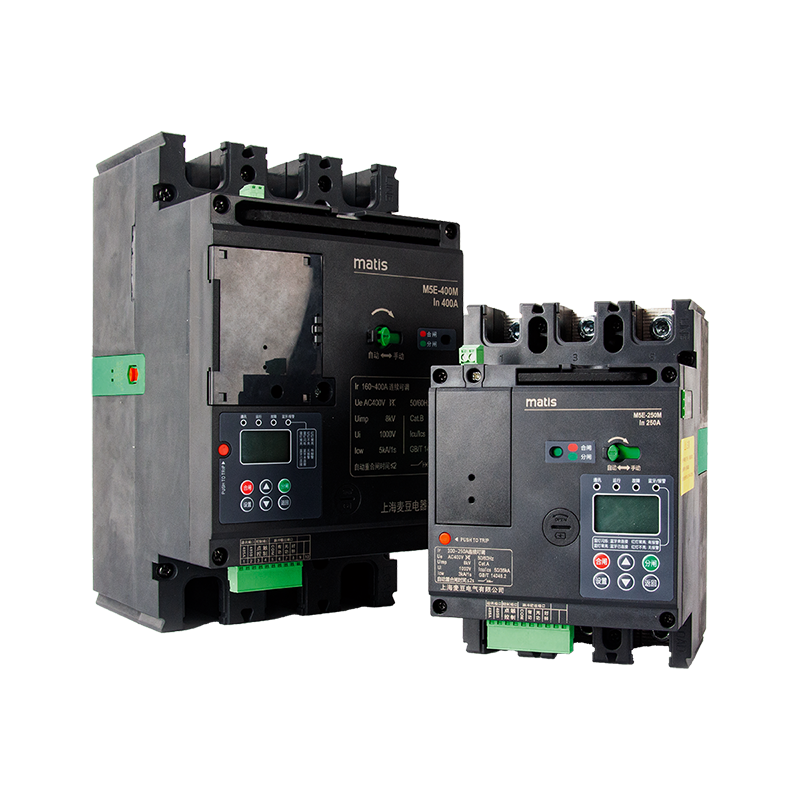
Miniature Circuit Breakers (MCBs) and Molded Case Circuit Breakers (MCCBs) are both essential for protecting electrical systems. They prevent damage from overloads and short circuits by cutting off power when a fault occurs. While they share a similar purpose, they differ significantly in their power capacity, physical size, and how they are used.
Miniature Circuit Breaker (MCB)
An MCB is a small, compact device used mainly for low-voltage applications. You will find these in your home electrical panel or in small commercial offices. They are designed to protect individual circuits, such as a string of lights or a group of wall outlets.
Molded Case Circuit Breaker (MCCB)
An MCCB is a larger and more powerful device. It is built to handle much higher levels of electricity and is used in industrial plants, large commercial buildings, and heavy machinery. Because they are robust, they are often used as the "main" switch for a whole building or a large piece of equipment.
Main Differences Between MCCB and MCB
1. Physical Structure and Size
MCBs are compact and use a simple internal strip that bends when it gets too hot to trip the switch. MCCBs are much larger and use a more complex electromagnetic mechanism to handle larger surges of power. Additionally, MCCBs are built with stronger materials to withstand the heat and pressure of high-energy faults.
2. Current Capacity
The most obvious difference is the amount of current they can handle. MCBs are designed for low-power needs, usually ranging from 0.5A up to 125A. MCCBs, however, are designed for high-power environments and can handle anywhere from 10A up to 2,500A.
3. Breaking Capacity
Breaking capacity refers to the maximum "fault current" a breaker can stop without exploding or being destroyed. MCCBs have a much higher breaking capacity, often stopping up to 100kA (kilo-amps). MCBs are much lower, usually stopping around 10kA or less. This makes MCCBs the only safe choice for high-power industrial settings.
4. Tripping Characteristics
A major advantage of the MCCB is that many models have adjustable settings. This means a technician can change the trip current or add a time delay to make the protection more precise. MCBs, on the other hand, almost always have fixed settings that cannot be changed once they leave the factory.
5. Cost and Application
Because MCCBs are larger, more complex, and adjustable, they are much more expensive than MCBs. MCBs are a low-cost, effective solution for small systems like homes. MCCBs are a necessary investment for protecting expensive industrial machinery and large-scale power systems.
Conclusion
In summary, both MCBs and MCCBs are vital for electrical safety. MCBs are the best choice for small, everyday circuits in homes and offices. MCCBs are the heavy-duty option required for large electrical systems with high current demands. Choosing the right one ensures that your equipment stays safe and your power system runs efficiently.