


Circuit breakers are an essential part of any electrical system. They act as safety gates, cutting off the flow of electricity when they detect a problem. This prevents electrical fires and protects your appliances from damage caused by overloads or short circuits. However, a circuit breaker that trips constantly can be frustrating. Here is how to understand the causes and how to fix them.
Common Causes of Tripped Circuit Breakers
- Circuit Overload: This is the most frequent cause. It happens when you plug too many devices into one circuit, demanding more power than the wires can safely handle.
- Short Circuit: A short circuit occurs when a "hot" wire touches a "neutral" wire. This creates a sudden, massive surge of electricity, forcing the breaker to trip instantly to prevent a fire.
- Ground Fault: This happens when a "hot" wire touches a ground wire or the metal side of an outlet box. Ground faults are dangerous because they can cause severe electric shocks.
- Old or Damaged Breakers: Like any mechanical device, circuit breakers wear out over time. If a breaker is old or defective, it may trip even when there is no actual electrical fault.
How to Fix a Tripping Circuit Breaker
1. Identify the Cause
Before resetting the switch, look at what happened right before the power went out. Did you just turn on a vacuum cleaner? Is a space heater running? Note which room lost power and which appliances were in use.
2. Check for Overload
If the breaker tripped because of an overload, unplug some devices that you don't need. Move high-power appliances (like microwaves or hair dryers) to a different circuit to balance the electrical load.
3. Inspect for Wiring Problems
Look for signs of damage, such as burning smells, black marks around outlets, or frayed wires. If you find loose connections or damaged wires, do not try to fix them yourself unless you are trained. Turn off the power and call a professional.
4. Reset and Test the Circuit
To reset the breaker, push the switch all the way to the OFF position first, and then flip it back to ON. After resetting, turn your devices back on one by one. If it trips again immediately with nothing plugged in, you likely have a more serious wiring issue.
5. Upgrade Your Electrical System
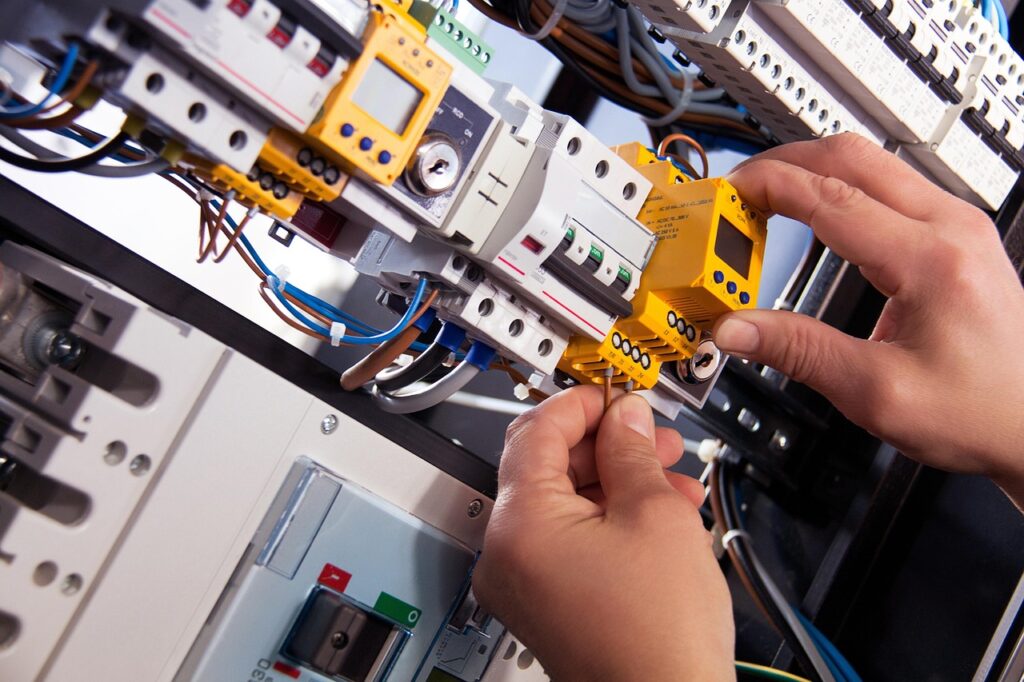
If your breaker trips frequently even with normal use, your electrical system might be too old for modern power needs. You may need to upgrade your electrical panel or add new circuits to handle the demand of modern electronics.
Conclusion
In summary, overloads, short circuits, and ground faults are the main reasons breakers trip. Most of the time, simply reducing the load on the circuit will solve the problem. However, if the breaker continues to trip or you smell smoke, it is a sign of a deeper issue. Always contact a licensed electrician if you are unsure how to handle a repair safely.