


Power Distribution Units (PDUs) are the unsung heroes of critical digital infrastructure. Whether in a massive data center or a remote telecommunications hub, PDUs ensure that electricity from a primary source is divided, managed, and delivered efficiently to servers, switches, and networking hardware.
What is a Power Distribution Unit (PDU)?
A PDU is a specialized electrical component designed to take a high-capacity power feed and distribute it to multiple lower-capacity outlets. Unlike a simple power strip, a PDU is engineered to handle the rigorous demands of 24/7 operations, providing safe power branching and, in many cases, advanced intelligence for remote management.
The Evolution of PDU Types
PDUs have evolved from simple "dumb" bars into sophisticated IoT devices. They are generally categorized into five types:
- Basic PDUs: Standard rack-mounted power strips that provide reliable power distribution without monitoring or control features.
- Metered PDUs: Equipped with a local LED/LCD display to show real-time power consumption, helping technicians avoid overloading circuits during installation.
- Monitored PDUs: Feature a network interface for remote monitoring. Operators can track voltage, current, and load levels via a web portal to identify potential failures before they happen.
- Switched PDUs: Offer the ability to remotely toggle individual outlets on or off. This is vital for "power cycling" (restarting) a frozen server from a remote location without visiting the site.
- Intelligent PDUs (iPDUs): The most advanced category, combining monitoring and switching. These often include ports for environmental sensors (temperature, humidity, airflow) to provide a complete picture of rack health.
PDUs in Data Centers vs. Telecommunications
While the goal of power distribution is the same, the environments differ significantly:
1. Data Centers (Primarily AC)
Data center PDUs usually interface with AC power from an Uninterruptible Power Supply (UPS). They focus on high-density power delivery and redundancy. By connecting equipment to two different PDUs fed by separate power sources (A-feed and B-feed), data centers achieve high availability.
2. Telecommunications (Primarily DC)
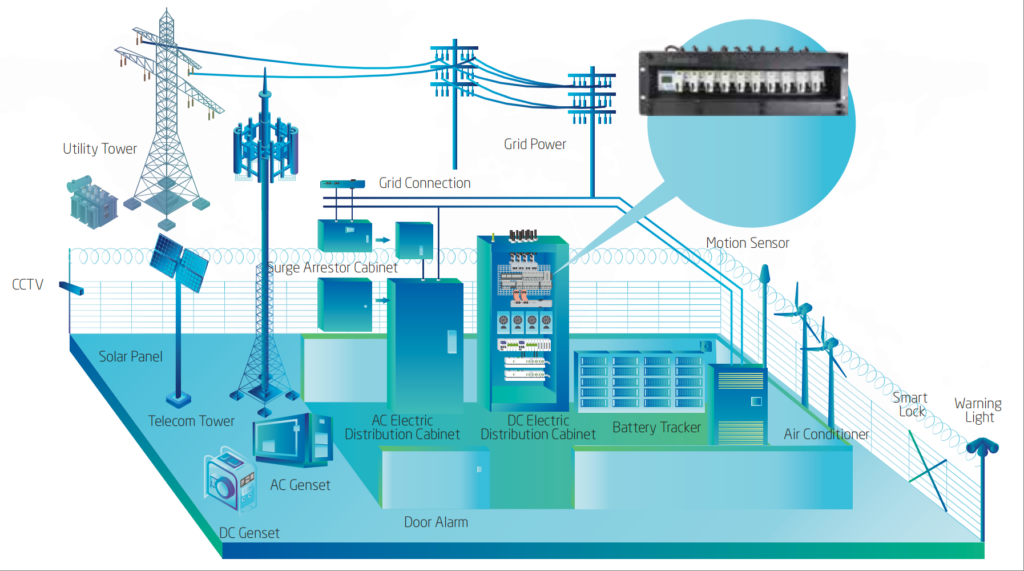
Telecom PDUs, often called DC Distribution Panels, typically operate on -48V DC power backed up by massive battery banks.
- Reliability: Telecom equipment is highly sensitive; therefore, these PDUs often feature advanced surge protection and power filtering to ensure "clean" electricity.
- Remote Access: Since telecom towers are often in isolated areas, remote management is a "must-have" to reduce expensive maintenance trips.
Key Benefits of Smart PDUs
- Optimized Load Balancing: Prevents circuit breakers from tripping by ensuring power is evenly distributed.
- Reduced Downtime: Remote switching allows for instant recovery of crashed equipment.
- Energy Efficiency: Real-time data helps operators identify "zombie servers" (equipment that is on but not doing work), leading to significant energy savings.
- Scalability: Modular PDU designs allow facilities to expand their power capacity as their hardware needs grow.
Matismart Intelligent DC Distribution Solutions
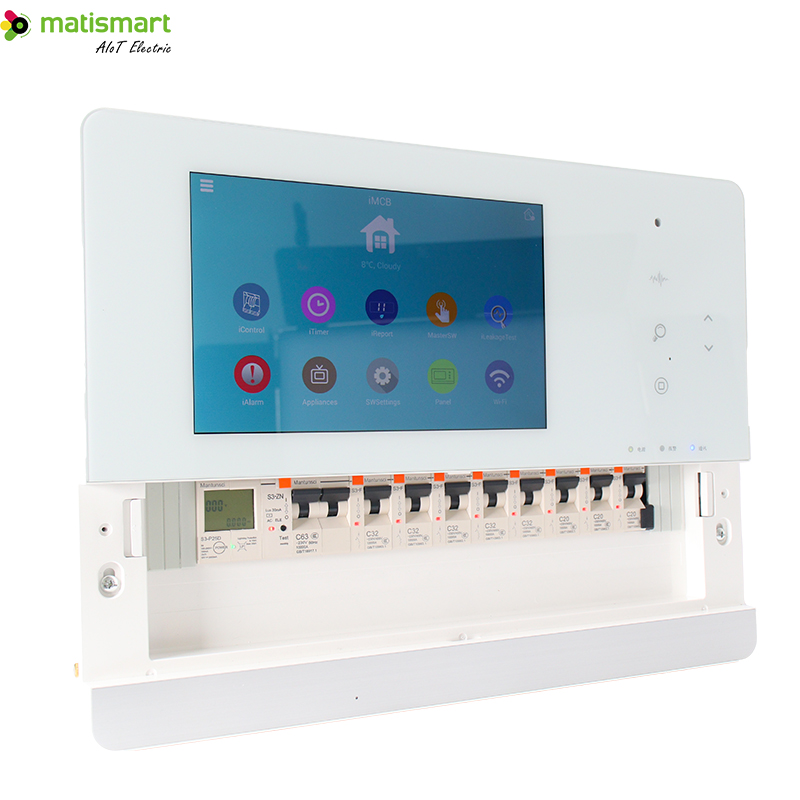
Matismart provides a professional-grade Intelligent DC Power Distribution System designed for the high-stakes environment of telecom base stations.
Our system features a standard 3U rack-mount modular design, which includes:
- DC Distribution Units: Robust core power handling.
- Intelligent Branch Switches: For granular control.
- Precision Branch Metering: Integrated billing and consumption analysis.
This system is specifically engineered for major network operators (such as China Tower, China Mobile, and global equivalents) who require high-density, reliable DC distribution for their critical communication nodes.
Conclusion
A PDU is more than just a plug; it is the final link in the power chain that keeps the world connected. By selecting the right type—from Basic to Intelligent—operators can protect their equipment, reduce energy costs, and ensure their data centers or telecom towers remain online 24/7.