


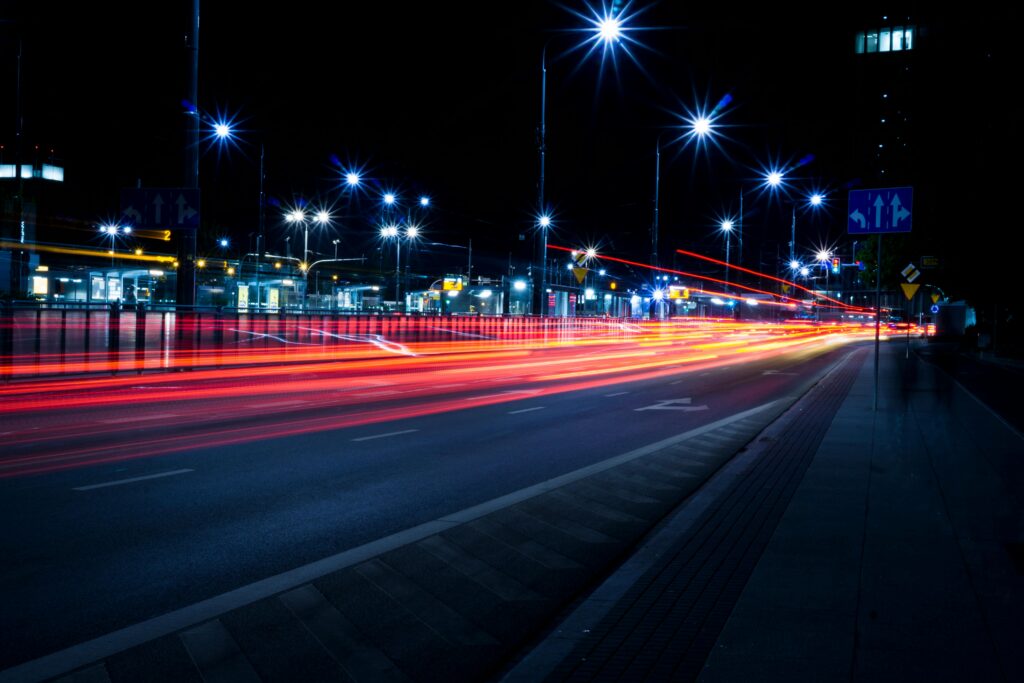
The landscape of urban infrastructure is changing dramatically with the advent of the Internet of Things (IoT). One of the most significant shifts is occurring in Smart Street Lighting. Beyond just illumination, modern lighting systems are becoming data-driven networks. Central to this transformation is the use of Smart Circuit Breakers, which replace old manual switches to make city streets more efficient, sustainable, and safer.
The Shift from Manual to Intelligent Lighting
Traditional street lighting relies on mechanical timers or manual circuit breakers to manage power. These systems are "blind"—they cannot report a failure in real-time, requiring citizens or patrol crews to report outages. Furthermore, manual systems cannot adjust to changing environmental conditions, leading to wasted energy.
Smart Street Lighting systems solve these issues by integrating intelligent circuit breakers. These devices automatically monitor power flow, detect faults instantly, and provide a stream of real-time data to a central command center, ensuring the city is never left in the dark.
How Smart Breakers Empower Urban Lighting
- Optimized Energy Efficiency: Smart breakers allow cities to move beyond simple "on/off" schedules. They can be programmed to dim or activate lights based on ambient light levels, weather conditions, or even real-time traffic and pedestrian density. This precision drastically reduces a city's carbon footprint.
- Proactive Monitoring and Control: With remote access, city technicians can diagnose a faulty lamp or a power surge without leaving the office. This leads to faster repairs and ensures that critical intersections remain well-lit.
- Public Safety and Crime Prevention: Reliable lighting is a deterrent to crime and a necessity for traffic safety. Smart breakers ensure that electrical faults are isolated immediately to prevent localized blackouts, maintaining a secure environment for residents.
- Operational Cost Savings: By reducing energy waste and minimizing "truck rolls" (maintenance trips), cities can reallocate significant portions of their budget from utility bills to other infrastructure improvements.
- Smart City Integration: These breakers serve as the "nerves" of a smart city. The data they collect helps city planners understand energy patterns and identify which neighborhoods require lighting upgrades or maintenance.
Future Possibilities: The Next Generation of Streets
As AI and sensor technology evolve, the future of street lighting holds even more potential:
- Predictive Maintenance: By analyzing current and voltage patterns, smart breakers can identify a lamp that is about to fail, allowing crews to replace it before it goes dark.
- Adaptive Lighting Grids: Sensors can tell a street light to brighten when a cyclist approaches and dim once they pass, maximizing safety while minimizing light pollution.
- Renewable Energy Synchronization: Smart breakers can manage the flow of energy from pole-mounted solar panels or wind turbines, feeding excess power back into the city grid.
Matismart IoT Solutions for Smart Cities
Matismart provides the core technology needed to build a responsive lighting network. Our IoT-enabled devices are designed for the rigors of public infrastructure:
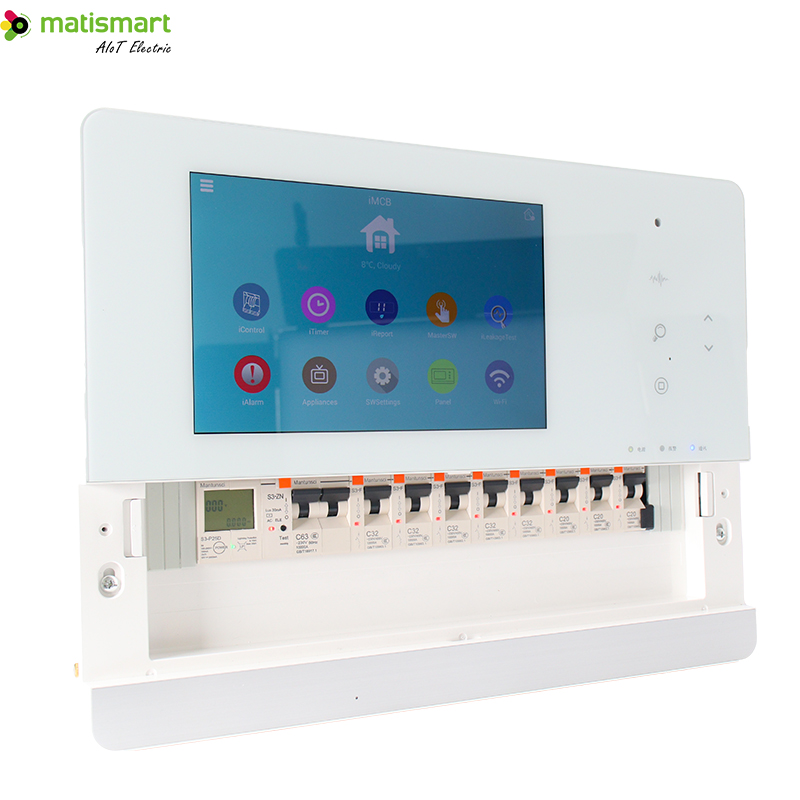
- MT61-GP Smart Metering Breaker: Combines precise energy metering with GPRS/Wi-Fi communication, allowing for remote monitoring and detailed consumption analysis of entire lighting circuits.
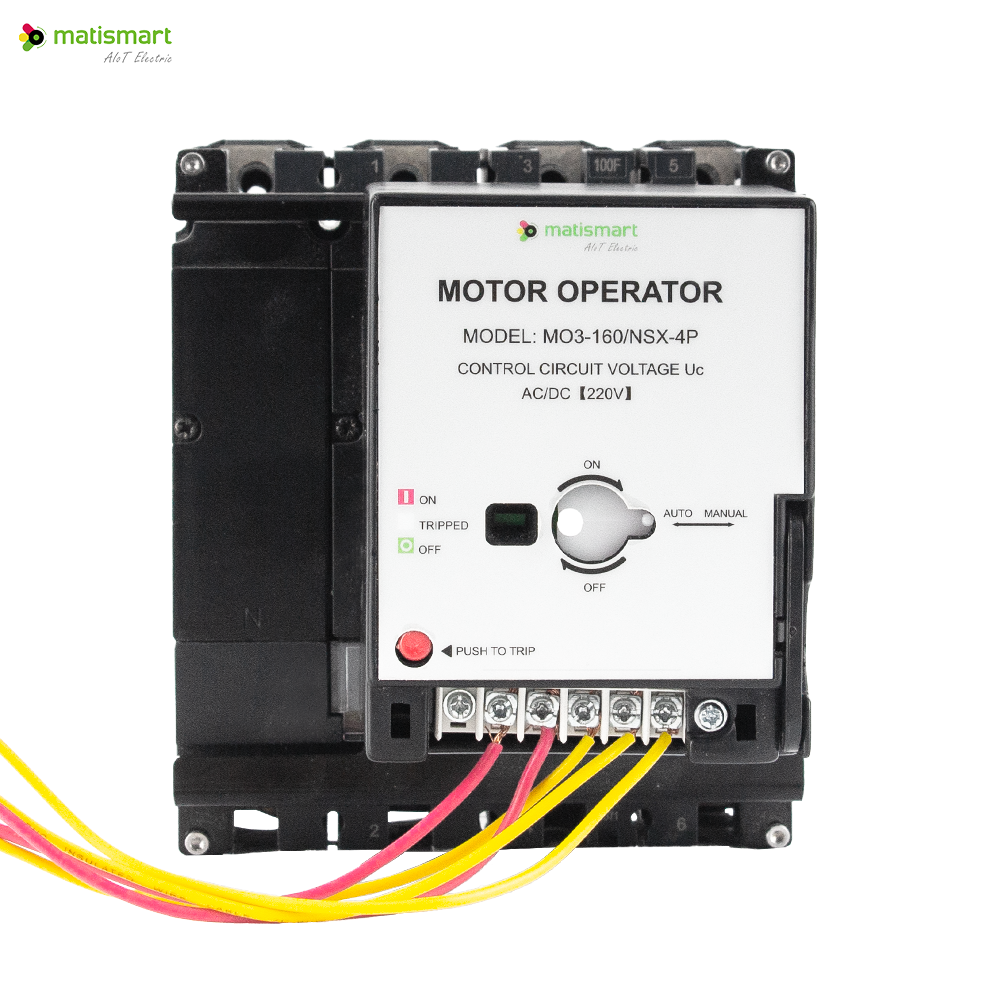
- MTM5-EL Remote Control MCCB: Provides high-capacity protection and remote-switching capabilities, ensuring that large-scale lighting projects can be managed from a central energy management platform.
Conclusion
Smart circuit breakers represent a critical step toward the "City of the Future." By automating the monitoring and control of electrical power, these devices transform street lighting from a simple utility into a sophisticated, energy-efficient, and life-saving network.