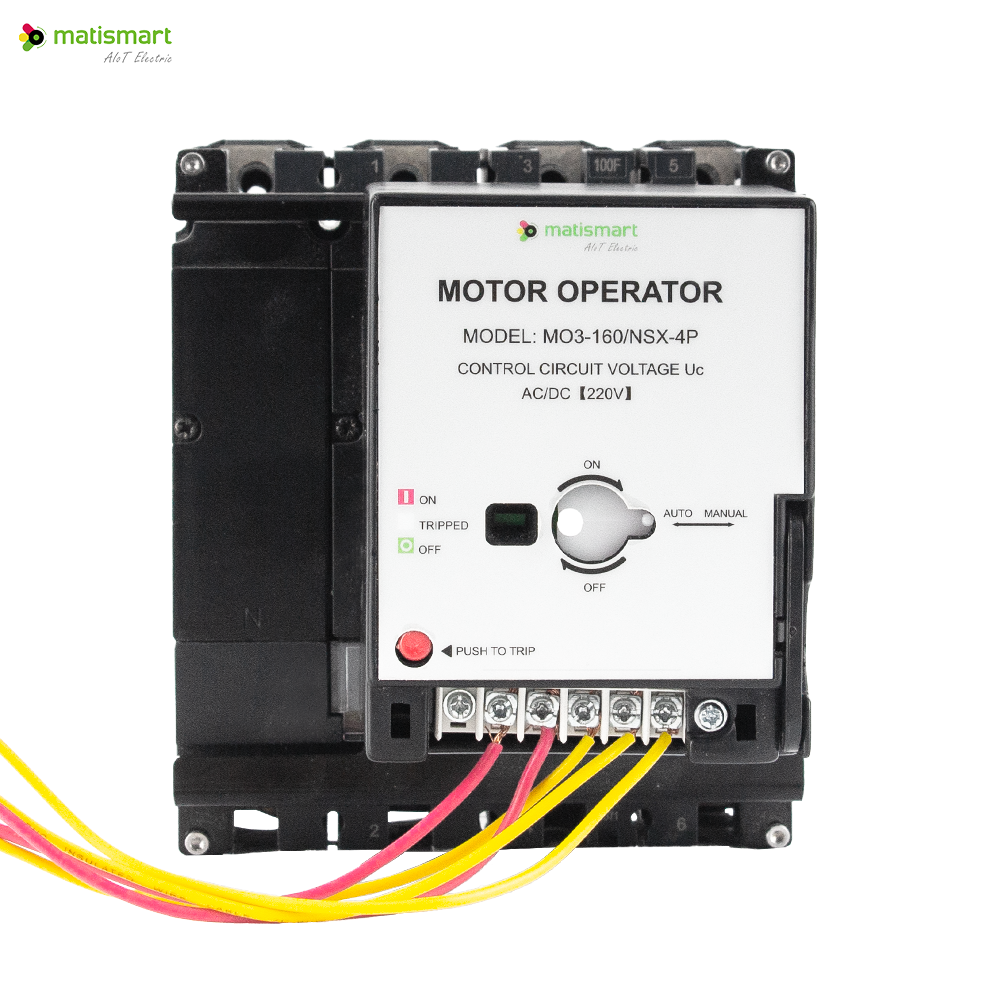




Residual current devices (RCDs) are also known as ground fault circuit interrupters (GFCIs) in some regions. RCDs are widely used in residential and commercial applications, but they are becoming more common in industrial environments as well. This is because industrial environments can be more dangerous due to high-voltage equipment and flammable materials.
This article will explore the challenges of using RCDs in industrial applications and the solutions to overcome them.
The Role of RCDs in Industrial Applications
Residual current devices are designed to prevent electric shock hazards and minimize the risk of fires caused by ground faults. They work by detecting a slight imbalance in the current flowing between the live and neutral wires. If an imbalance is detected, the RCD quickly breaks the circuit to prevent an electric shock or fire.
In industrial applications, RCDs play a critical role in ensuring the safety of workers, equipment, and infrastructure. However, despite their importance, RCDs face several challenges in industrial environments that can affect their performance and reliability.
Challenges in Industrial Applications
High Fault Currents: In industrial applications, electrical systems can experience high fault currents, which may cause RCDs to fail if they are not rated correctly. Standard RCDs might not handle these high levels safely. Type B RCDs with higher breaking capacities are better suited for these levels.
False Tripping: In industrial settings, RCDs are prone to false tripping due to high-frequency harmonics or transient voltage spikes. This happens because standard RCDs are designed for steady-state currents rather than the surges from starting large motors. These frequent trips can increase maintenance costs and cause unnecessary downtime.
Environmental Factors: RCDs in industrial applications are often exposed to harsh conditions, such as dust, moisture, and extreme temperatures. These factors can affect long-term reliability. Additionally, electromagnetic interference (EMI) can lead to false trips or prevent the device from working when needed.
Compatibility with Equipment: Modern equipment like variable speed drives (VSDs) can generate electrical noise or DC leakage currents. These can interfere with RCD operation. The RCD must be able to handle these specific waveforms without compromising safety.
Solutions for Overcoming Challenges
Choosing a Suitable RCD: Selecting the right RCD depends on the load and potential DC leakage. For example, Type A RCDs are for general use, while Type B RCDs are necessary for equipment that generates DC leakage, such as EV charging stations and motor drives.
Time Delay: To prevent false tripping during motor start-ups, RCDs can use a time-delay function. This allows the device to ignore short surges without tripping immediately, reducing unnecessary shutdowns.
Selective Coordination: This ensures that only the RCD closest to the fault trips, keeping the rest of the system running. Using RCDs with different trip settings minimizes widespread outages and ensures reliable protection.
Regular Inspection and Maintenance: Regular maintenance is essential. This includes testing the RCD using its "Test" button and following the manufacturer’s procedures for cleaning and inspection.
Conclusion
Residual current devices are vital for electrical safety in industrial applications. By using techniques such as selective coordination, time delays, and choosing the correct Type B models, RCDs can provide reliable protection even in the harshest industrial environments.