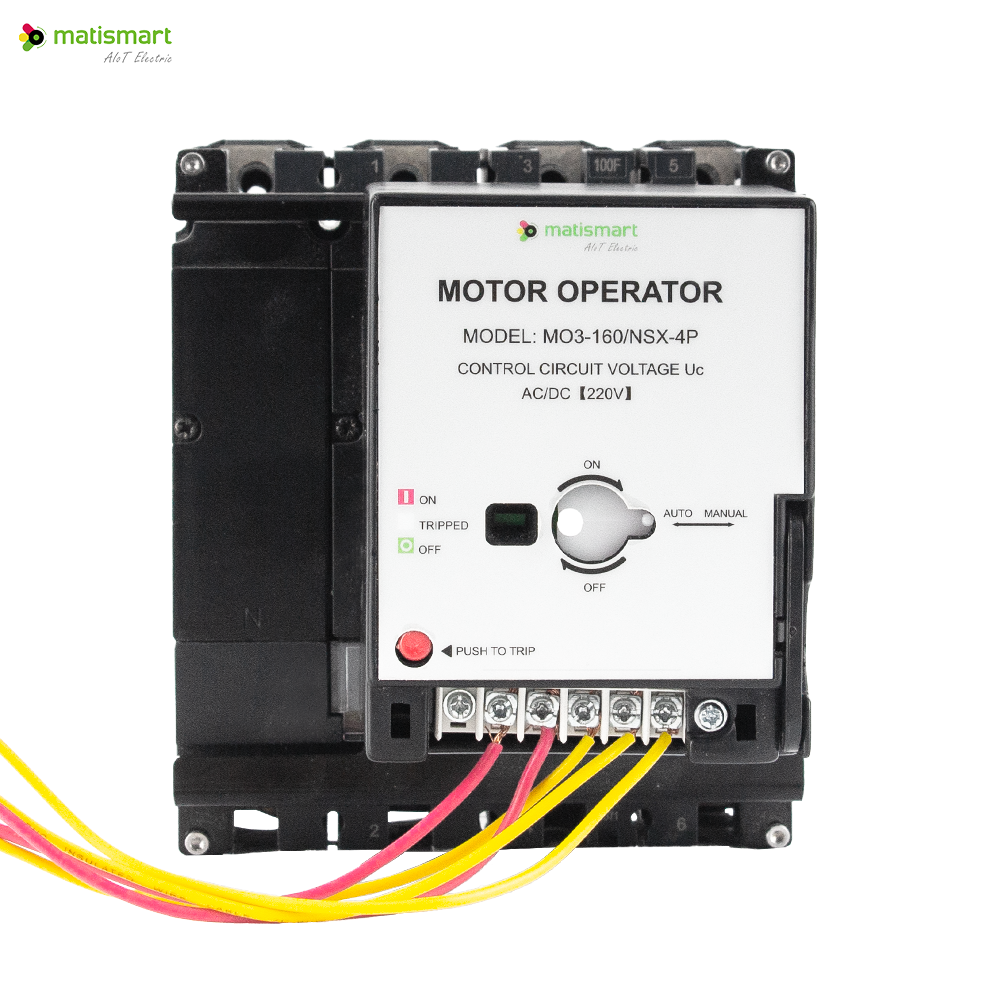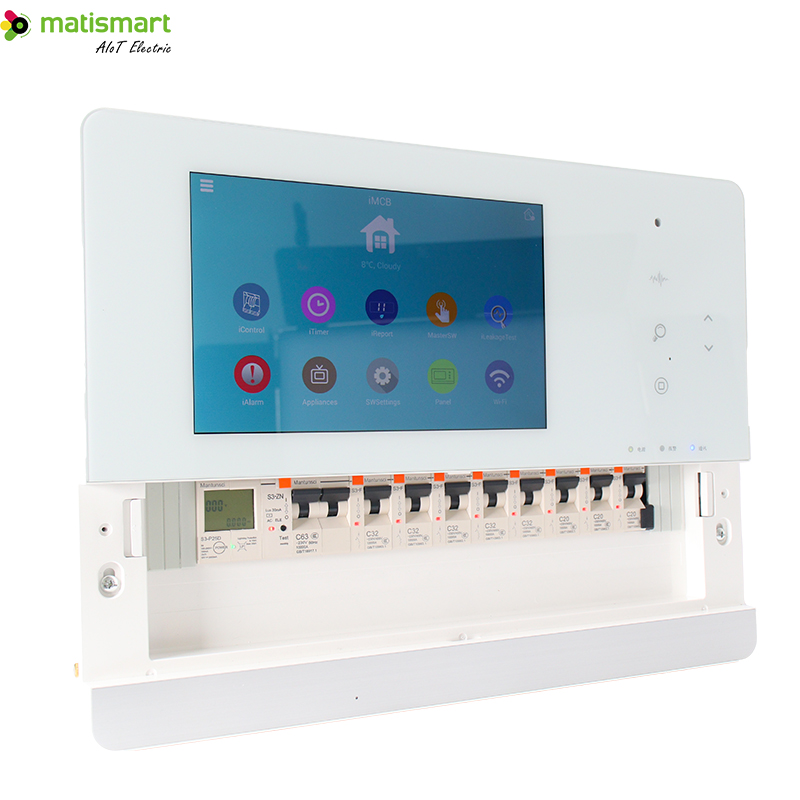



Recently, big names like Tesla, SPAN, Schneider, EcoFlow, and Huawei have started grouping "smart circuit breakers," "smart power distribution," and "energy centers" together. A clear path is forming: it starts at the circuit breaker, moves through the panel, connects to the energy system, and ends with AI algorithms (agents).
The Real Problem: Power is Getting Too Complex
For most people, electricity feels passive. You pay the bill, it hurts your wallet, and you have no choice. Even if you install solar panels, batteries, or EV chargers, life doesn’t get easier. Each system works alone, making things feel messy and uncertain.
Now, with fluctuating electricity prices (Time-of-Use rates), saving money requires constant monitoring. Traditional power panels are just "dumb" metal boxes designed for safety—they keep you safe, but they don't help you use energy wisely. This is where the change begins.
Don't Fall for the "Hardware" Trap
Smart circuit breakers aren't just a new hardware trend. Companies aren't just selling breakers; they are doing three specific things:
- Visibility: Seeing exactly how much power every circuit uses.
- Control: Making every circuit remote-controllable.
- Strategy: Handing the whole system over to an intelligent "scheduler."
The circuit breaker is simply the execution point closest to the electricity.
Four Paths to One Goal
- The System Path (e.g., SPAN): They treat the entire electrical panel as a single smart node. Every circuit is measurable and controllable through an app focused on "what you are doing" rather than "which switch is on."
- The Upgrade Path (e.g., Eaton, Leviton): They add communication and metering to standard breakers. The goal isn't to change the breaker itself but to embed it into a larger digital system.
- The Hub Path (e.g., Schneider Electric): They renamed the "Load Center" to the "Energy Center." It is no longer just the end of the line; it is the meeting point for solar, batteries, and the grid.
- The Strategy Path (e.g., EcoFlow, Huawei): They focus on priority. The system decides which appliances get power first during an outage or when prices are high.
The Three Layers of Value
- Execution Layer (The Muscle): This is the circuit breaker. It collects data (amps/volts) and turns power on or off. It is just a sensor and a switch.
- System Layer (The Manager): This handles the "logic"—setting schedules, prioritizing loads, and shifting usage to save money.
- Strategy Layer (The Brain): This is the most valuable part. It uses historical data, weather forecasts, and price predictions to make the best decisions. This is the AI Agent.
Why the AI Agent Wins
In the past, managing home energy was too hard for humans. An AI agent, however, is perfect for it. It learns your habits and reacts to real-time data.
- Circuit Breaker = Muscle
- Metering = Senses
- Solar/Battery = Energy Pool
- AI Agent = The Brain
The human’s only job is to say, "I want to save money," or "Keep my fridge running no matter what."
Final Thought
The hardware—the breakers and meters—will eventually become cheap, standard commodities. The real power will belong to whoever controls the algorithms and the data. If you are building a product, ask yourself, do you want to be the muscle, or do you want to be the brain?
Thanks for your time! To stay informed and get expert analysis straight to your inbox, subscribe to Matismart Insight today!
Learn More about Matismart: https://www.matismart.com/