


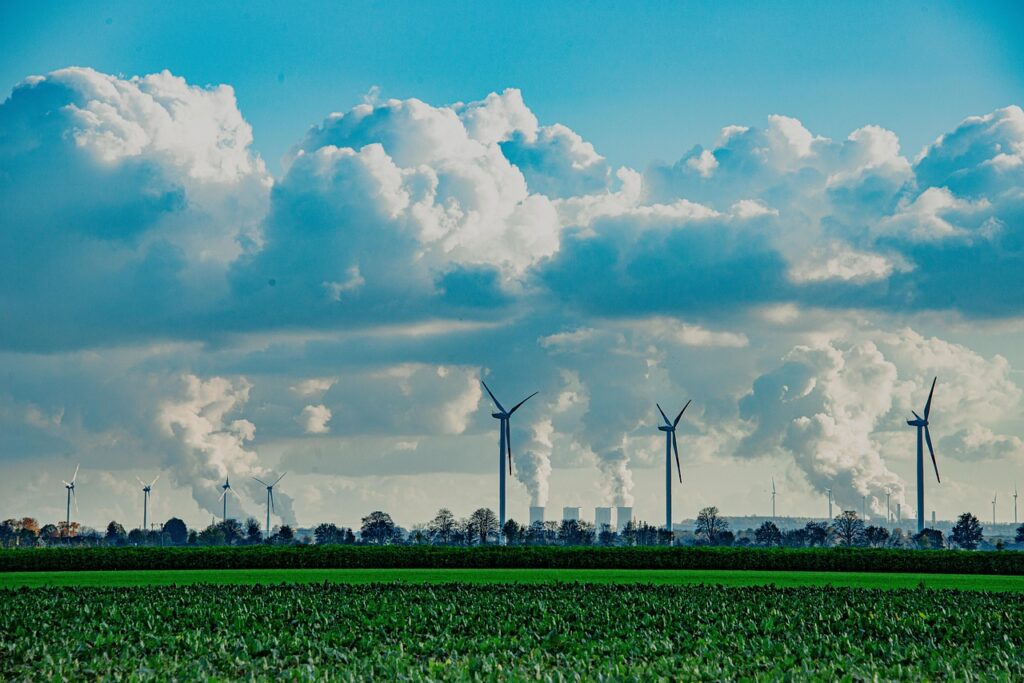
Energy storage technologies are essential for a sustainable future. These systems allow us to save electricity for later use, which is vital during power outages. They are especially important for renewable energy sources like solar and wind, which do not produce power 24/7.
Battery Storage
Batteries are the most common way to store energy today. They work by converting electrical energy into chemical energy for storage. When power is needed, the chemical energy is converted back into electricity.
Common types: lithium-ion, lead-acid, nickel-based, and flow batteries.
Pumped Hydro Storage
This technology uses two water reservoirs at different heights. When there is extra electricity, water is pumped from the lower reservoir to the upper one. When demand for power increases, the water is released. As it flows back down, it spins turbines to generate electricity. This is currently the most widely used technology for large-scale energy storage.
Compressed Air Energy Storage (CAES)
CAES uses electricity to compress air and store it in large underground caverns. When the grid needs more power, the compressed air is released, heated, and pushed through a turbine to create electricity.
Thermal Energy Storage (TES)
Thermal storage involves saving heat or cold for later use. This is done using materials like water, molten salts, or phase-change materials. There are three main methods:
- Sensible heat: Changing the temperature of a material (like heating water).
- Latent heat: Changing the state of a material (like turning ice to water).
- Thermochemical: Using chemical reactions to store and release heat.
Flywheel Storage
A flywheel is a mechanical system that stores energy as motion (kinetic energy). It works by spinning a heavy rotor at very high speeds. When electricity is needed, the spinning motion is used to drive a generator. Flywheels react very quickly, making them perfect for stabilizing power grids.
Hydrogen Storage
In this system, extra electricity is used to split water into hydrogen and oxygen through a process called electrolysis. The hydrogen is stored in tanks or underground. When power is needed, the hydrogen is either burned in a turbine or used in a fuel cell to generate clean electricity.
Conclusion
There are many ways to store energy, and each technology has its own strengths. From fast-acting flywheels to massive pumped hydro stations, these systems help us balance the power grid. As the world moves toward green energy, storage will play a key role in ensuring we have reliable electricity whenever we need it.