


In power distribution systems, protecting equipment and keeping the grid stable is a top priority. Both Automatic Reclosers and Circuit Breakers are vital tools used to prevent power failures. While they serve similar functions, they have very different roles in how they manage electrical faults.
What is an automatic recloser?
An Automatic Recloser is a "smart" device used primarily on outdoor overhead power lines. Most faults on these lines—such as a tree branch briefly touching a wire or a lightning strike—are temporary.
When a recloser detects a fault, it cuts the power immediately. After a few seconds, it automatically turns the power back on. If the fault has cleared, the power stays on. If the fault is still there, it will try to reconnect a few more times before finally locking "open" to protect the system. This allows the system to fix itself without a technician having to visit the site.
What is a Circuit Breaker?
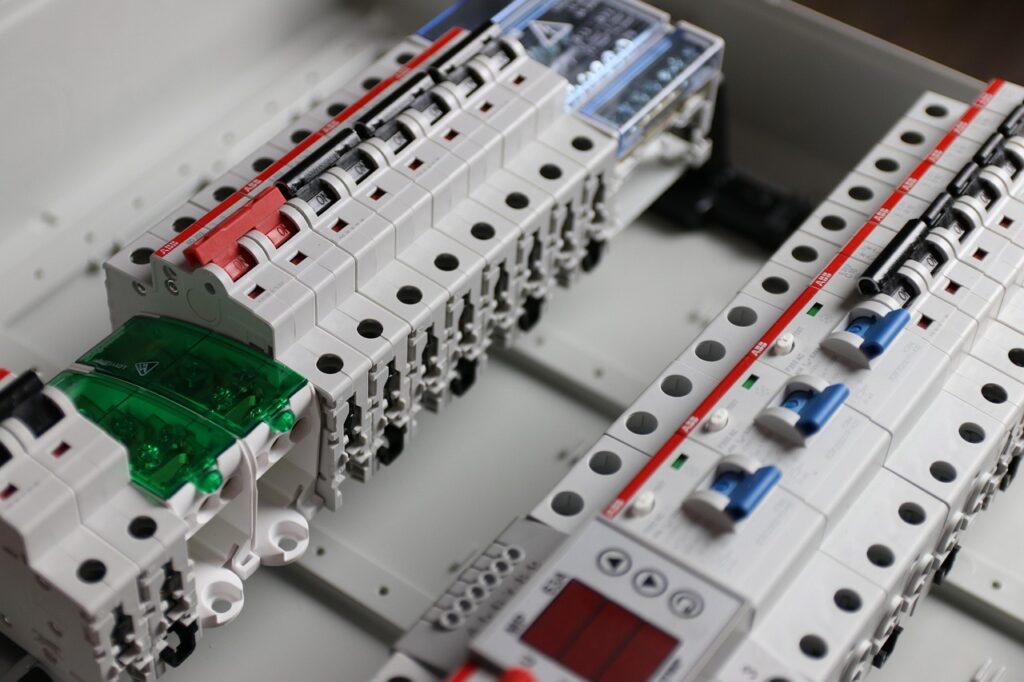
A Circuit Breaker is a safety switch designed to stop the flow of electricity when it detects a problem like an overload or a short circuit. Its main job is to "trip" to prevent fires and equipment damage.
Unlike a recloser, a standard circuit breaker stays off once it trips. It does not try to turn itself back on. It requires a person to manually reset the switch after the problem has been found and fixed. Circuit breakers are used in everything from homes to large industrial power plants.
Key Differences Between Auto Reclosers and Circuit Breakers
The primary difference lies in their main goal. A circuit breaker is designed to permanently cut power to isolate a fault and ensure safety. In contrast, an automatic recloser is designed to test the line and restore power flow automatically if the fault was only temporary.
In terms of operation, circuit breakers must be manually reset by a person. Auto reclosers operate automatically to restore power, meaning they do not need human intervention to fix minor, transient issues.
Regarding application, circuit breakers are found in almost every electrical environment, from residential homes to factories, to protect equipment like motors and transformers. Automatic reclosers are specifically used on medium-voltage overhead lines to prevent long outages caused by sudden, short-term faults like birds or weather.
Finally, there is a difference in speed and handling. Reclosers are extremely fast, clearing faults in a fraction of a second to keep the grid stable. Circuit breakers are focused on permanently isolating a broken part of the system, which makes their overall process slightly slower and more permanent.
Conclusion
Both devices are essential for electrical safety. A Circuit Breaker acts as a permanent guard that waits for a human to check the system, while an Auto Recloser is an intelligent tool that helps keep the lights on by clearing temporary problems automatically.
To learn more about the specifications of our products, please visit our product page or contact our technical staff via email for more details.