


As RVs become more popular, it is important to keep your electrical system safe and reliable. Circuit breakers play a key role in protecting your RV's system and equipment from damage caused by overloads or short circuits.
The Function of Circuit Breakers
A circuit breaker is a safety device that protects the electrical system. It monitors the amount of power flowing through a circuit to ensure it does not exceed what the wires and equipment can handle. When the power goes above a set limit, the breaker automatically shuts off the electricity. This prevents equipment damage and reduces the risk of fire. Once you fix the problem, you can reset the breaker to turn the power back on.
Why do RVs need circuit breakers?
RVs have many electrical devices, such as air conditioners, refrigerators, and TVs, which use a lot of power. If an RV's electrical system is overloaded, it can cause failures or even fires. The circuit breaker prevents this by cutting off the power as soon as it detects a fault or overload.
Types of Circuit Breakers Used in RVs
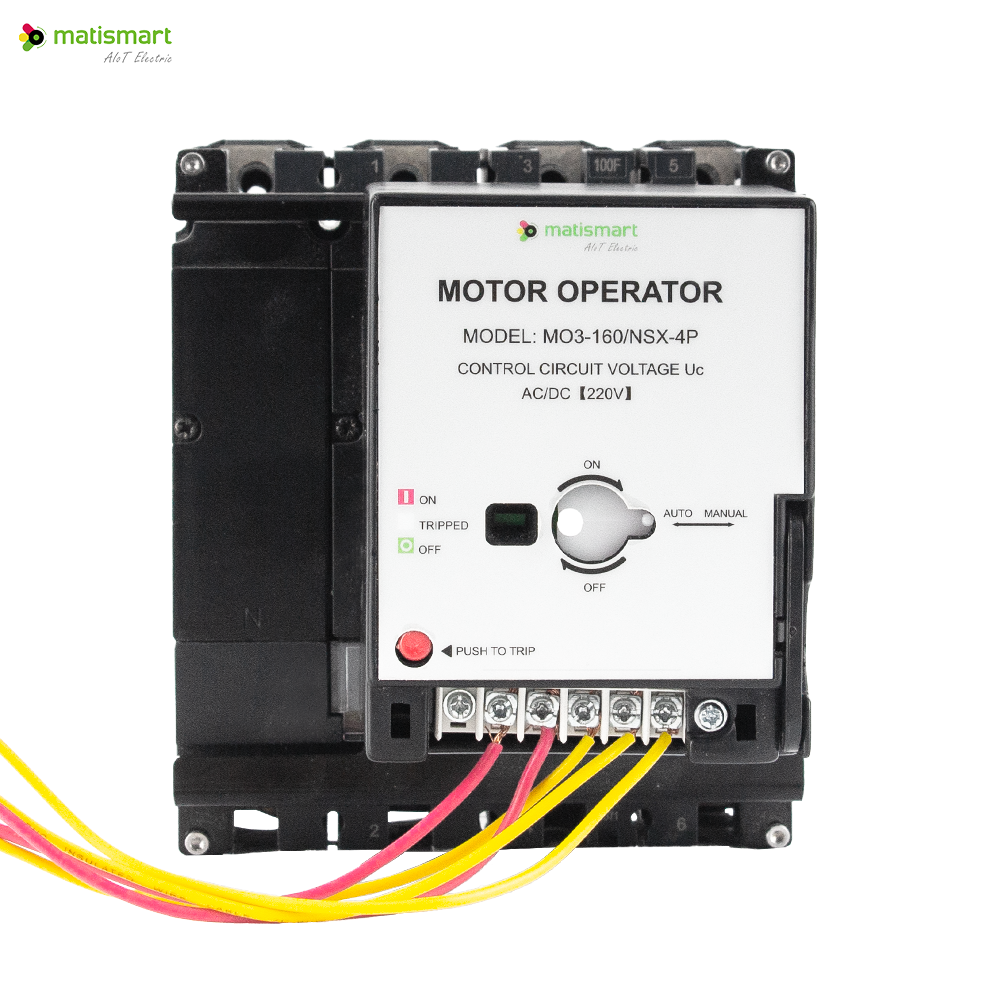
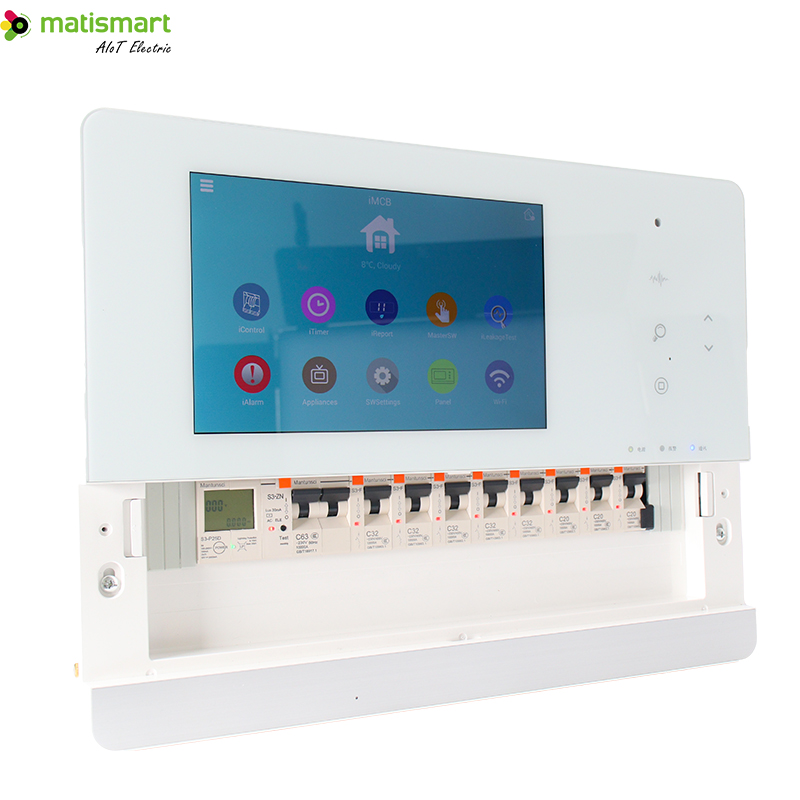
- Standard Circuit Breakers: These are usually located near the main power lines. They are used to shut off power to the entire RV during an emergency or for daily maintenance and repairs.
- Ground Fault Circuit Interrupters (GFCI): GFCIs protect you from electric shocks caused by ground faults. They are usually installed in areas with water, such as bathrooms or kitchens.
- Arc Fault Circuit Interrupters (AFCI): AFCIs are designed to prevent fires caused by electrical arcs. They are often used in areas where wiring is common, such as bedrooms and living areas.
How to Choose the Right Circuit Breaker for Your RV
Choosing the right breaker is vital for safety. Consider these factors:
- Current Rating: Choose a breaker with a rating that matches the maximum capacity of the circuit it protects.
- Voltage Rating: Ensure the breaker matches your RV's system—usually 12V for DC systems and 120V for AC systems.
- Type: Choose between thermal or magnetic breakers. Magnetic breakers react faster, while thermal breakers are often more affordable.
- Size and Compatibility: Make sure the breaker fits your electrical panel and works with your existing wiring.
How to Maintain Your RV Electrical System
- Avoid Overloading: Be careful about how many appliances you use at the same time.
- Inspect Regularly: Check wiring, connections, and breakers for signs of wear, damage, or rust.
- Test Your Breakers: Use a tester regularly to make sure they are working correctly.
- Maintain the Battery: Keep your battery in good shape to ensure a steady power supply.
- Upgrade When Needed: If you add new appliances or have frequent problems, consider upgrading your electrical system.
Conclusion
In short, circuit breakers are essential for a safe RV. They protect your equipment from overloads and short circuits. RV owners should understand how they work and replace them when necessary. By following these simple steps, you can enjoy your travels without worrying about electrical issues.